Château
History
1964: An Important Date for Château Haut Breton Larigaudière
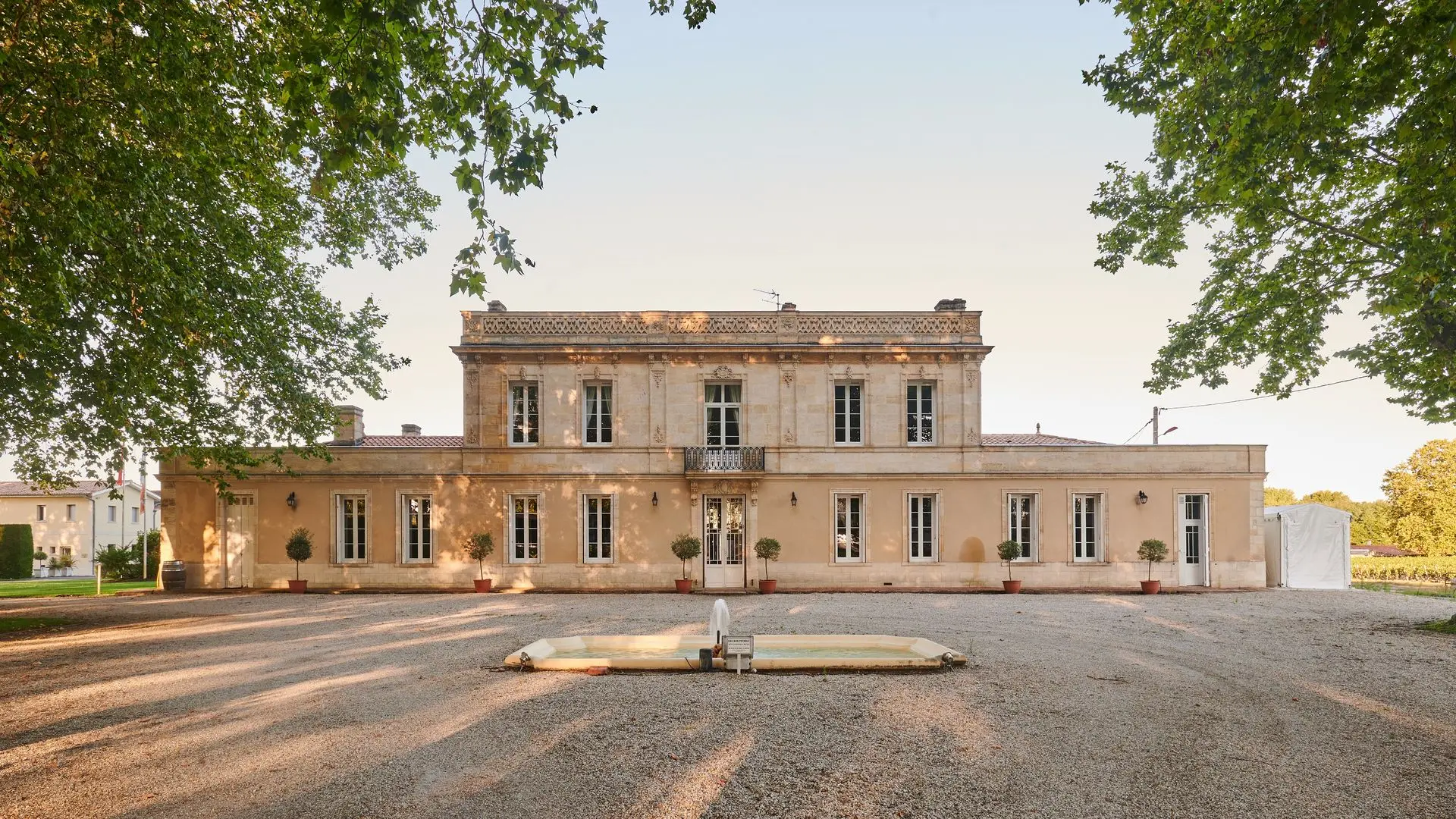
On 7 June 1964, Mrs Ghislaine De Moor, the wife of Emile De Schepper, purchased an estate in Soussans named Haut Breton Larigaudière at the law office of Jean David in Castelnau-de-Médoc. This estate consisted of two hectares of vineyards, one hectare of land, a château and numerous outbuildings, including a cellar, a garage, stables and workers’ accommodation.
The thirty years preceding this acquisition were anything but glorious years for Haut Breton Larigaudière. Successive sales, crises and difficult times damaged the château’s reputation and caused wine production to continue declining, until almost nothing was produced between 1950 and 1960. The vineyard had been abandoned, and the cellars were in very poor condition.
This was a very different situation from that of a few decades earlier. The château had already been mentioned in Le Producteur in 1838 and was also included in the first edition of Cocks & Féret (Bordeaux and Its Wines) in 1850. An excerpt from Bertall’s La Vigne, published in 1878, shows how highly regarded Haut Breton Larigaudière was at that time.
“The is no point hiding our personal assessments, and pretending that classifications over a century old might not gain from being updated if the opportunity arose one day…Let us go to Château Haut Breton Larigaudière. This will enable you to see what a cru bourgeois is, and also show you what vintage time is like. A victoria, drawn by a beautiful, well-driven horse, takes us to the château in no time. This is located halfway down a slope, and shaded by tall bushy trees. The carriage curves gracefully around the front courtyard in order to take us to the outdoor stairway leading to the main entrance. A wonderful swarm of gracious children, with black velvety eyes and curly deep-brown hair immediately forms around us”.
“What a charming group of people are there to greet me to represent this fine region! This goes from a smiling baby at his mother’s breast to beautiful, elegant young girls, to their attractive mothers and even their aunts, who have nothing to be jealous of…The mistress of the house welcomes us declaring that ‘My house is yours’. She informs her husband that the team of pickers is ready and that they can start the following day. The male and female pickers are indeed ready to start the next morning. The carts, harnessed to vigorous horses, are waiting on the side paths. Everything takes place with the greatest of care under the watchful eye of the château owners. As at the greatest estates, the grapes are destemmed and then crushed in a press. The resulting juice is put into vat. When evening comes, the traditional beef and cabbage soup is served under the mistress’s supervision. After dinner, the pickers dance to the sound of the flute and violin before starting over again the next day”.
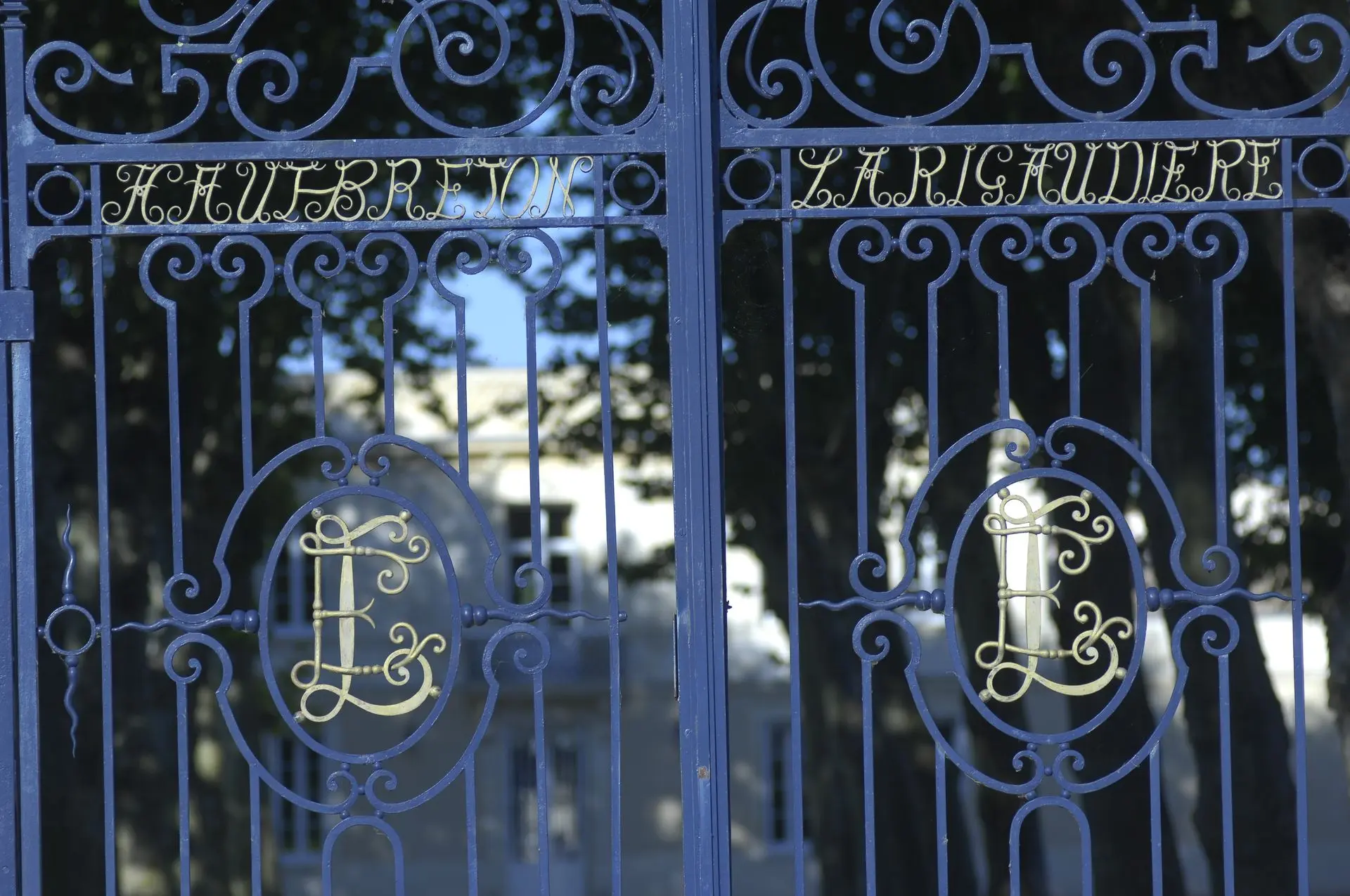
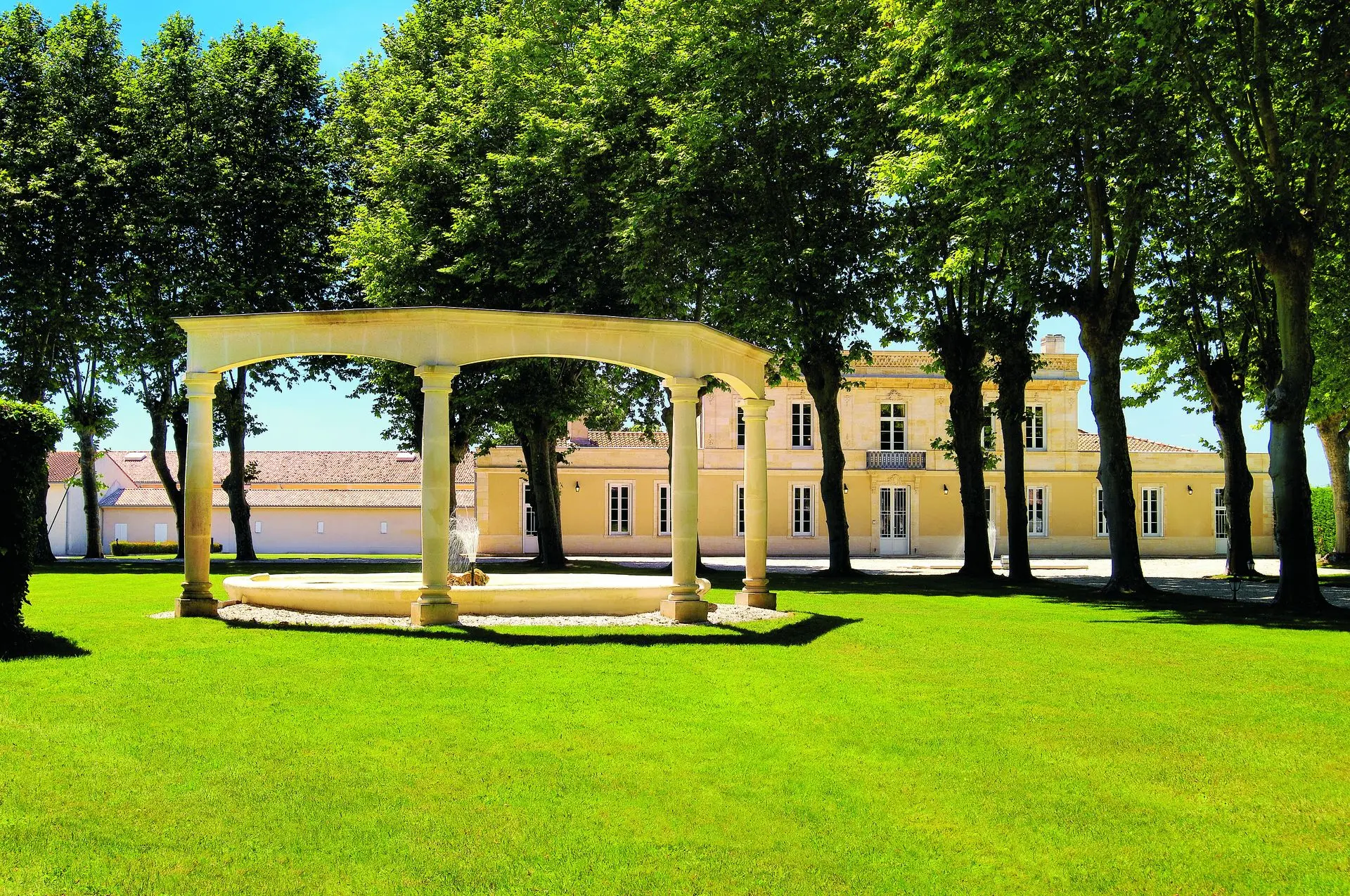
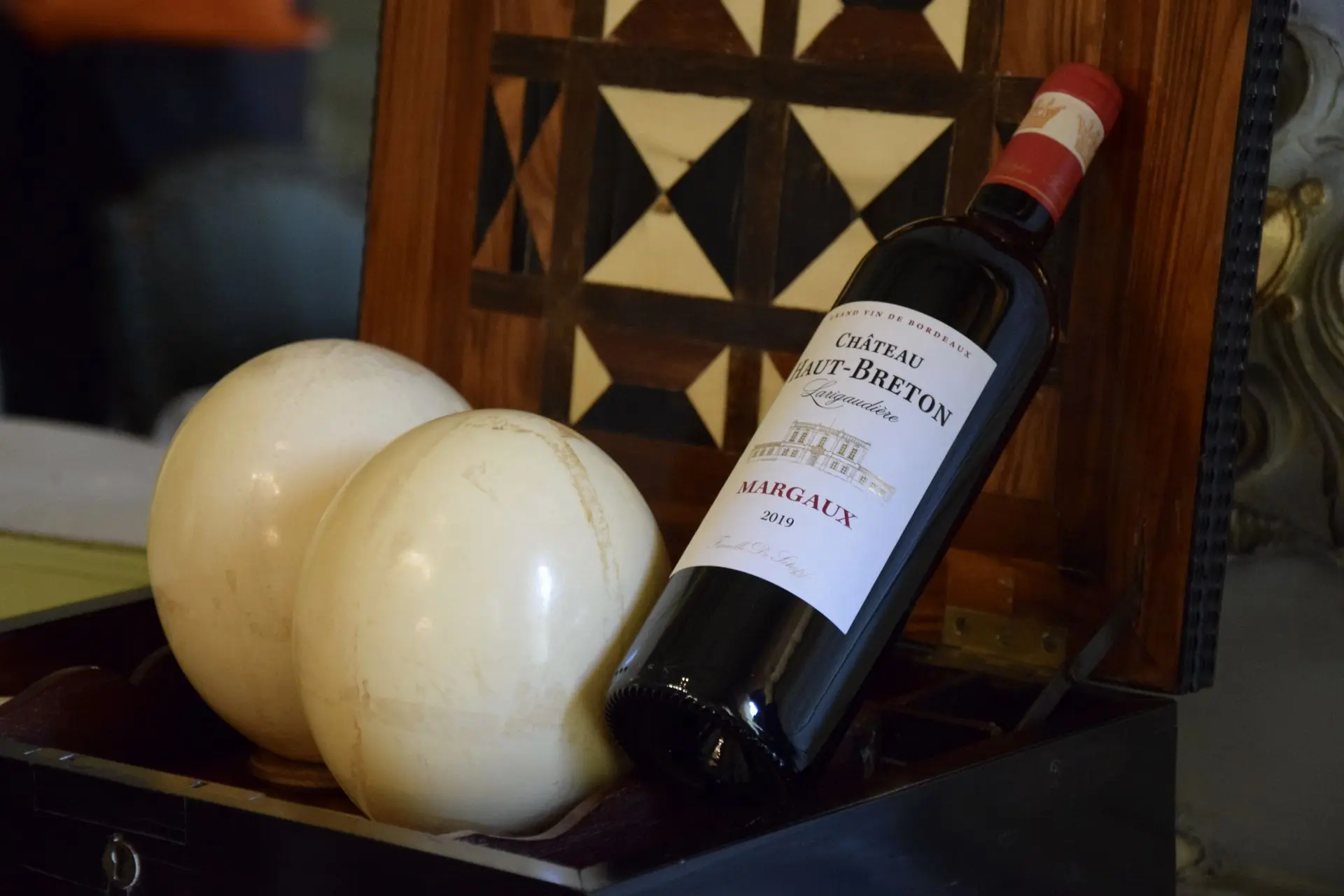
1964 to 1987: The Estate Is Completely Renovated and a New Chapter Begins Under Firmin De Schepper
Thanks to the experience gained at Château Tour Baladoz, a 9-hectare estate in Saint-Émilion that was acquired in 1950, the owners were able to devote themselves entirely to the renovation of their new estate in Soussans. It took them ten years to rebuild the vineyard completely from scratch. In 1964, the vineyard was still divided into several plots.
The largest plot was less than one hectare in size. As Emile De Schepper was largely occupied with his wine business in Ghent (Belgium), he asked Marc Raymond, the estate supervisor, to take over the management of Château Haut Breton Larigaudière. Marc Raymond also owned a small vineyard in Macau. He knew all the local winegrowers, which was an enormous advantage during the numerous exchanges, purchases and land consolidations that were necessary to create a vineyard of approximately five hectares, which was the result after a period of twelve years.
The small bunches of grapes harvested during the first few years were fermented in the cellar in Arcins, which no longer exists today. During this period, the wine was transported in barrels to Belgium, where the De Schepper family had a thriving business in wines and alcoholic beverages.
From 1970 onwards, part of the work was also carried out in the cellars and outbuildings of Haut Breton Larigaudière. However, the prices that winegrowers were able to charge during that period did not yet allow for major renovation work to be carried out on the château. Expanding and renewing the vineyard absorbed most of the budget available for renovation work.
In 1971, when Emile De Schepper was 67 years old, he handed over control of the estate to Firmin, his eldest son. As his father had already laid the right foundations, his son was more than motivated to follow in his footsteps and improve both the quality and the reputation of the château. In 1971, the wine was bottled at the château itself for the first time.
Thanks to his extensive knowledge of oenology, Firmin immediately recognised the great potential of Haut Breton Larigaudière and decided to do everything possible to restore the prestigious reputation for which the château had once been so well known. In 1979, he had a new tank room built, where stainless steel tanks were installed, followed by two new cellars in 1983, one for storing barrels and the other for ageing bottled wines.
Firmin divided his time between Belgium and Soussans, but his trips to the Médoc became increasingly frequent. He quickly made friends in the region and shared with them his passion for the gravel-covered soils of Margaux and the wines produced there. He made it a regular habit, during every visit, to walk among the vines in his vineyards in Cadeou, Grand Soussans and Liougey, and to taste the wines in the stainless steel tanks and wooden barrels.
He knew all too well that if he wanted to become a successful professional wine expert, he had to be extremely meticulous, closely monitor the activities in his vineyards, and ensure that the wine was fermented and aged with the greatest care. To achieve this, he relied on trustworthy colleagues and an oenologist whom he frequently consulted. The first new barrels arrived at Château Haut Breton Larigaudière, a sign that Firmin wanted to make use of every possible means to optimise quality. During a dinner with friends at ‘Chez Philippe’, a well-known restaurant on the Place du Parlement in Bordeaux, he met a young chef who was looking for work in the Médoc. As nobody was living at the château at the time, Firmin began to recognise the advantages of having a restaurant on the estate. This is why the Larigaudière restaurant opened in May 1980. Unfortunately, Emile, Firmin's father, was only able to dine at the restaurant once. He passed away in May 1982.
Emile’s two sons, Firmin and Jacques, continued tirelessly with the renovation of the estate. The vineyard was certainly not neglected; quite the contrary. In 1985, the vineyard was expanded with Maucaillou, a plot of 1.26 hectares, followed by La Coste, a plot of 0.32 hectares in 1986, and Bourriche, a 1-hectare plot that was purchased in 1987. Unfortunately, fate had other plans for Firmin. He was never able to realise many of his plans, as he tragically lost his life on 21 December 1987 when his plane, on its way to Bordeaux, crashed just five kilometres from Bordeaux-Mérignac Airport.
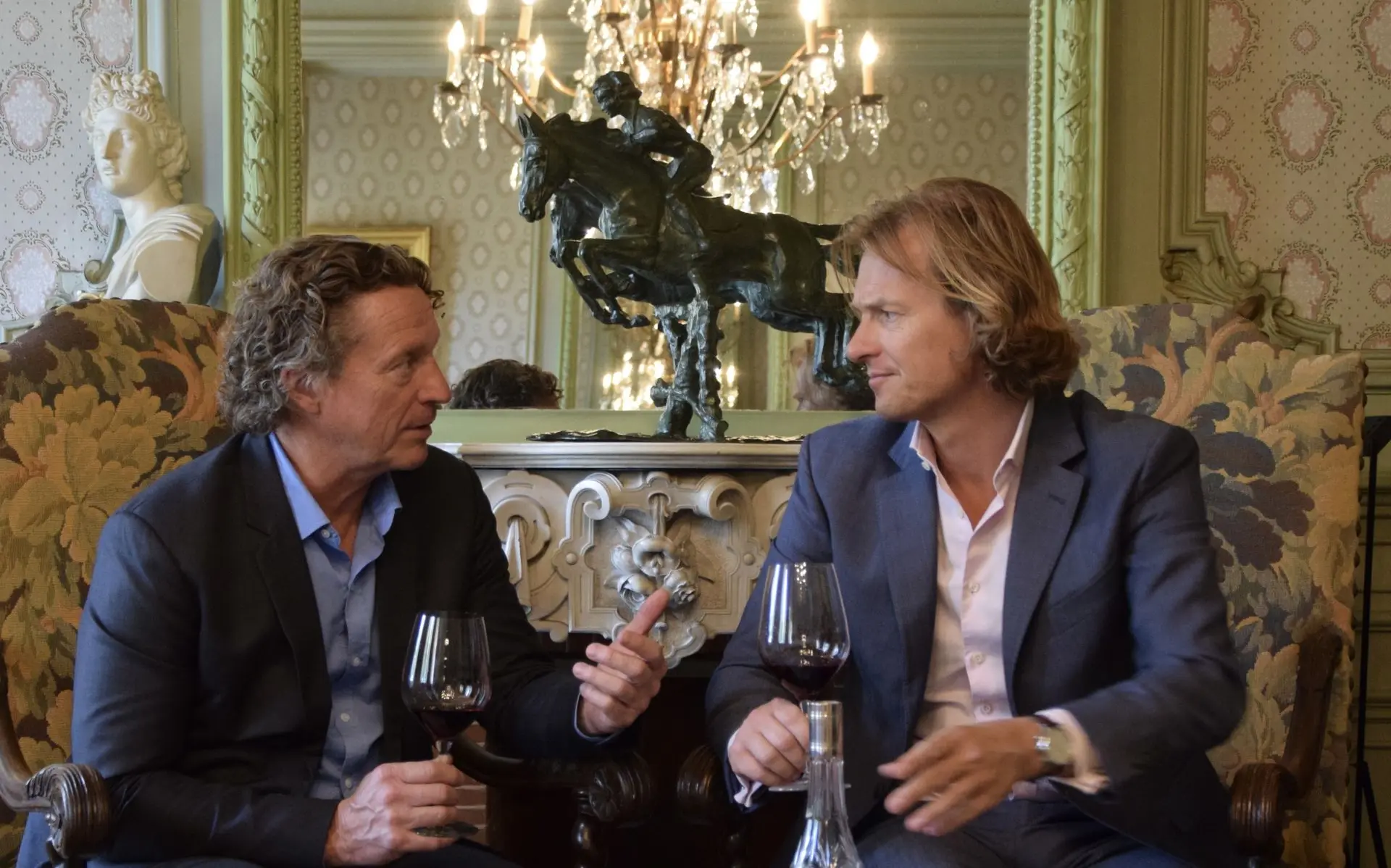
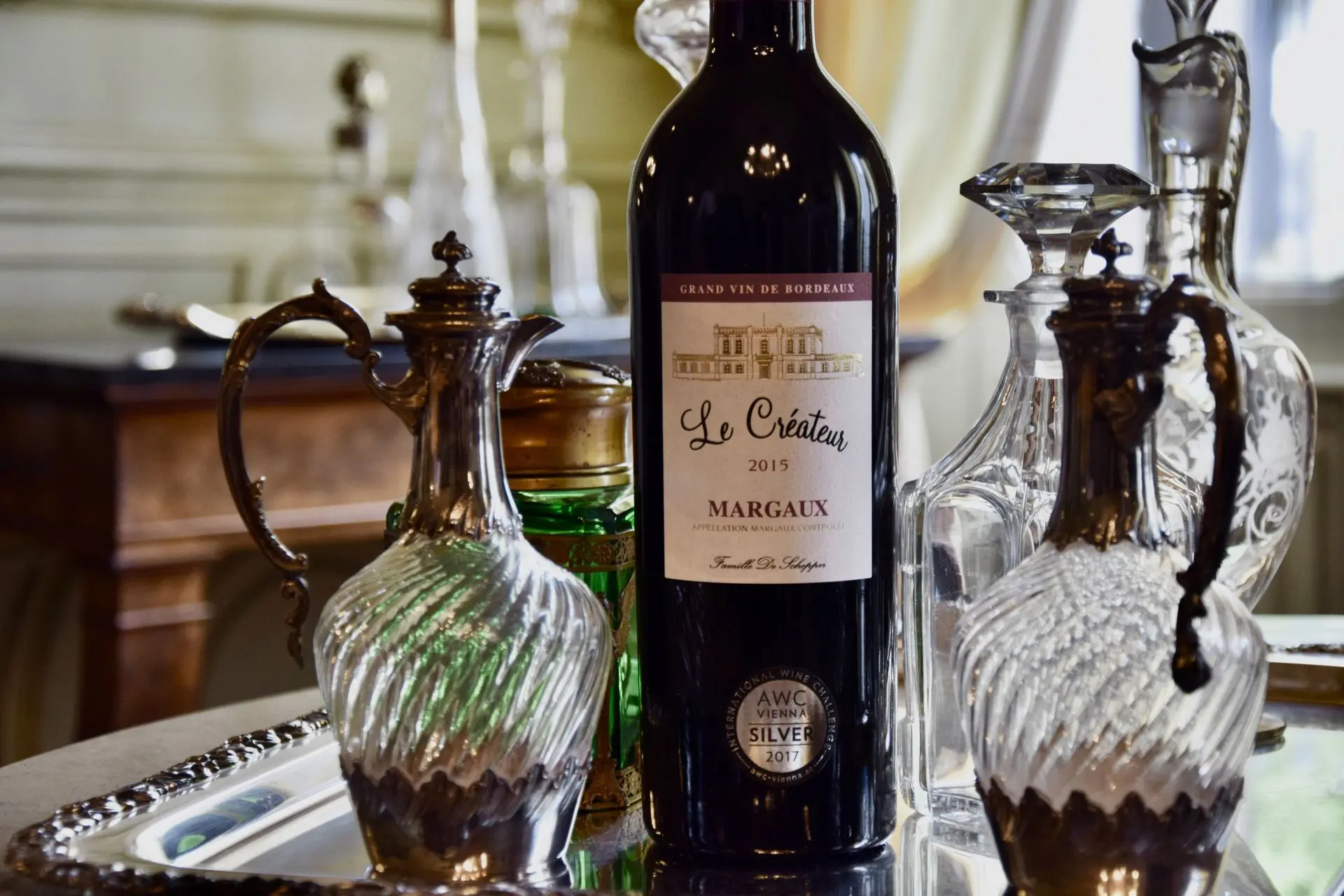
From 1987 to 2000
Jacques, Firmin’s brother, took over the management of the estate. Jacques was just as motivated as his predecessors to combine traditional and modern techniques. He was assisted in this by his mother until her death in 1994. In 1989, the estate was expanded with an additional 2.14 hectares of land in Liougey. Half of this land was planted with Cabernet Sauvignon grapes and the other half with Merlot grapes. An application was submitted to join the ‘Syndicat des Crus Bourgeois’ of the Médoc, and in 1991, this application was accepted. At that time, the vineyard covered more than seven hectares, which was a requirement for membership.
At the beginning of 1992, Marc Raymond, who had been managing the estate since 1964, decided to retire. From that moment onwards, Château Haut Breton Larigaudière became the tenant of the three hectares of land owned by Raymond in Arsac (Margaux appellation). As a result, the vineyard reached a total area of thirteen hectares planted with vines.
In that same year, a new manager was appointed: Jean-Michel Garcion. This enthusiastic professional obtained his higher diploma in agricultural studies, specialising in viticulture and winemaking, known as the ‘Brevet Professionnel d’Études Agricoles, Vigne et Vin’, at the Lycée Agricole Briacé in Landreau. He completed his studies with courses in Mâcon and numerous other locations around the world. Thanks to his open-mindedness and experience, he quickly became Jacques De Schepper’s right-hand man. Both men were determined to invest heavily in quality. Once again, priority was given to the vineyard. Certain plots were drained, and the vines were replanted. A new technical team was assembled between February and June 1993, and major construction work was carried out, including:
- The demolition of the former cellar where the oak barrels were stored, as it had become too small.
- The construction of a new cellar with a capacity of 500 wooden barrels.
- The construction of a new room for the stainless steel tanks and a separate room for wine fermentation.
- The beautification of open spaces.
- The renovation of the residential area.
All of this was carried out at a rapid pace so that everything would be ready for Vinexpo 1993.
From 2000 to the Present
The estate expanded even further in February 2000. A plot of 1.37 hectares in Micau was purchased and developed. This brought the total planted area to 15 hectares. Meanwhile, business was going so well that it was time to build new offices. From then onwards, the château was no longer used as a restaurant. In 2001, the ground floor was converted into several offices with a reception area. At the same time, the garden was also redesigned. Fountains were installed in the open spaces, and a pavilion was also built to complete the overall setting. Following all these investments in the vineyard, the stainless steel tank room, the cellar and the château, Château Haut Breton Larigaudière became one of the most beautiful Cru Bourgeois estates in the Médoc.
Read more on our website of De Mour in Soussans (France).