Château
Viticulture – Fermentation – Ageing Process
Like all vineyards, Haut Breton Larigaudière is also subject to the whims of the weather, which make each vineyard unique. However, every effort is made on the estate to ensure that optimal results are achieved. We are aware that it takes several decades to produce and refine an outstanding wine.
Since the purchase of the château in 1964, countless efforts have already been made to achieve this. All those years of hard work have not only led to improvements in the vineyard and the renovation of the buildings, but have also contributed to the production of wines made from grapes with a higher natural concentration.
Every change made to the vineyard, whether it involves planting, pruning or green harvesting, is primarily aimed at improving quality, which is also our strategy in every aspect of wine production: viticulture, winemaking, bottling and sales.
Planting Vines
After a detailed study of the soil and subsoil of Haut Breton Larigaudière, we returned to the original planting scheme because the research showed that it was the most suitable for these conditions. In doing so, quality and concentration were prioritised over high profits. These criteria also apply to all recently planted vines. However, we are also very attached to our oldest vines and therefore try to adapt our working methods accordingly.
Pruning
Pruning is essential to ensure both the survival of the vine and its ability to bear fruit. We use the Guyot pruning and tying method. This ensures that the vigour of each vine is respected, that the quality of the grapes is optimised, and that the trunk and spurs are able to bear fruit in the following years.
Shoot Removal
We have reintroduced this practice, but it is carried out with the greatest care. The reason for this is that we consider it essential to encourage the development of the fruit-bearing trunks and spurs at the beginning of the growing season and therefore to remove all unnecessary growth that reduces the vigour of the vine. However, we ensure that pruning is only carried out at the beginning of spring.
Thinning the Vines
We remove the leaves on the eastern side of the vines at the end of July, and at the beginning of September, it is the western side’s turn. We are convinced that this practice is essential to achieving optimal results. However, we ensure that enough leaves remain on the vines to protect the grapes. We have also increased the maximum height to which the vines may be pruned by twenty centimetres.
Green Harvesting
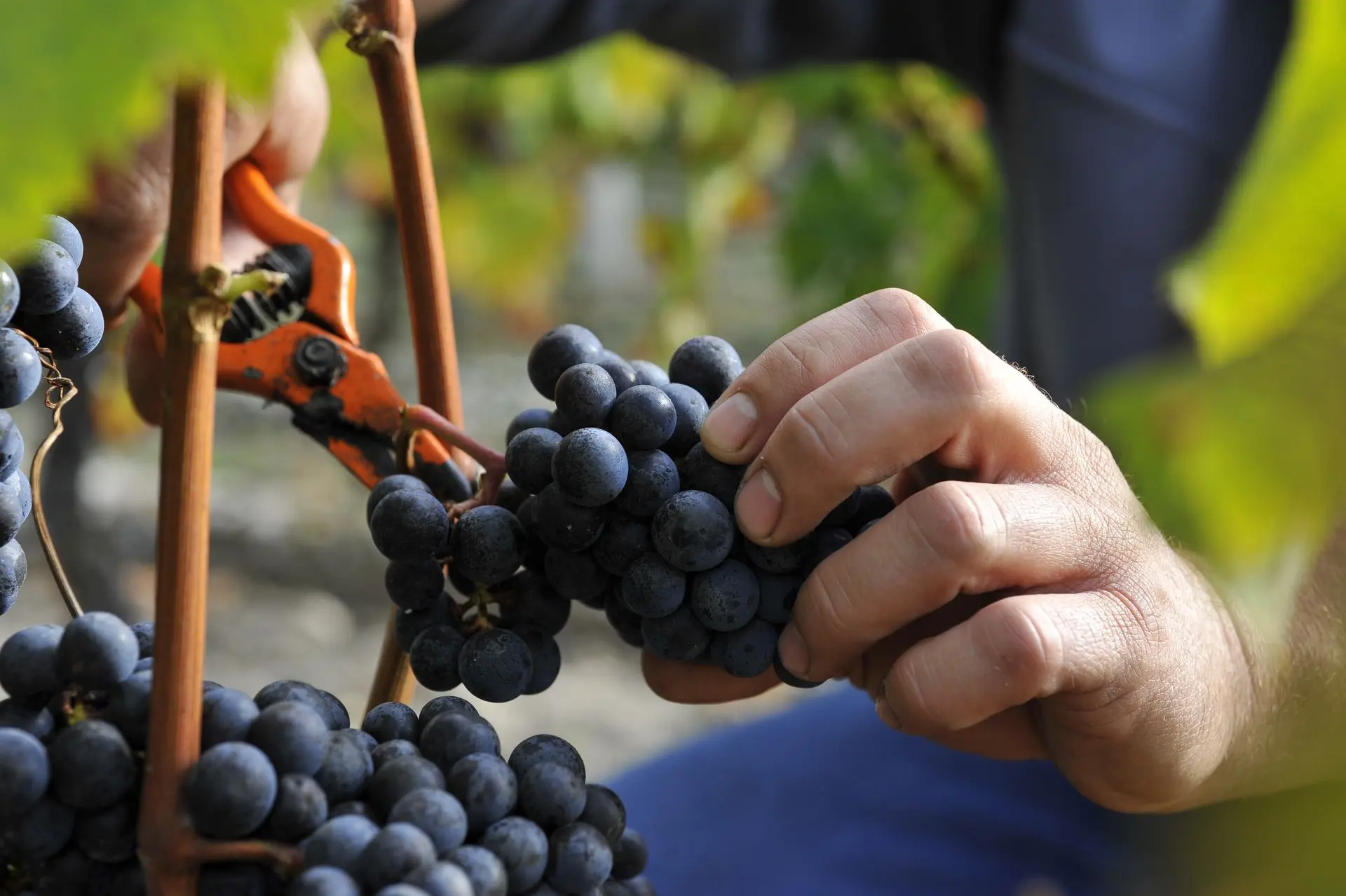
Cluster thinning, or ‘green harvesting’, is carried out twice a year: during véraison, when the grapes begin to change colour as they ripen, and at the end of the growing season, when it is easy to identify which bunches are less ripe and therefore need to be removed.
Fermentation
Fermentation at Château Haut Breton Larigaudière is carried out using the traditional methods commonly practised in the Médoc, but with one or two variations. Our gravelly soil, containing ironstone and limestone, together with the gravelly subsoil, produces a wide variety of full-bodied, powerful wines with sufficient tannins. However, we also want the finesse of the terroir to be reflected in the wine. We therefore do everything possible to produce wines that are in line with our objectives, namely to create a wine that is well-structured but also elegant and balanced, with firm yet silky-smooth tannins.
Our winemaking cellar is perfectly equipped to produce the wine we want to make. Our concrete and stainless steel tanks are small enough to allow the grapes from the different plots to ferment separately. The different grape varieties, wines from vines of different ages and wines from different plots are all kept separate. Producing a rich, full-bodied wine with the structure and aromatic elegance that reflect the characteristics of our terroir requires specific methods.
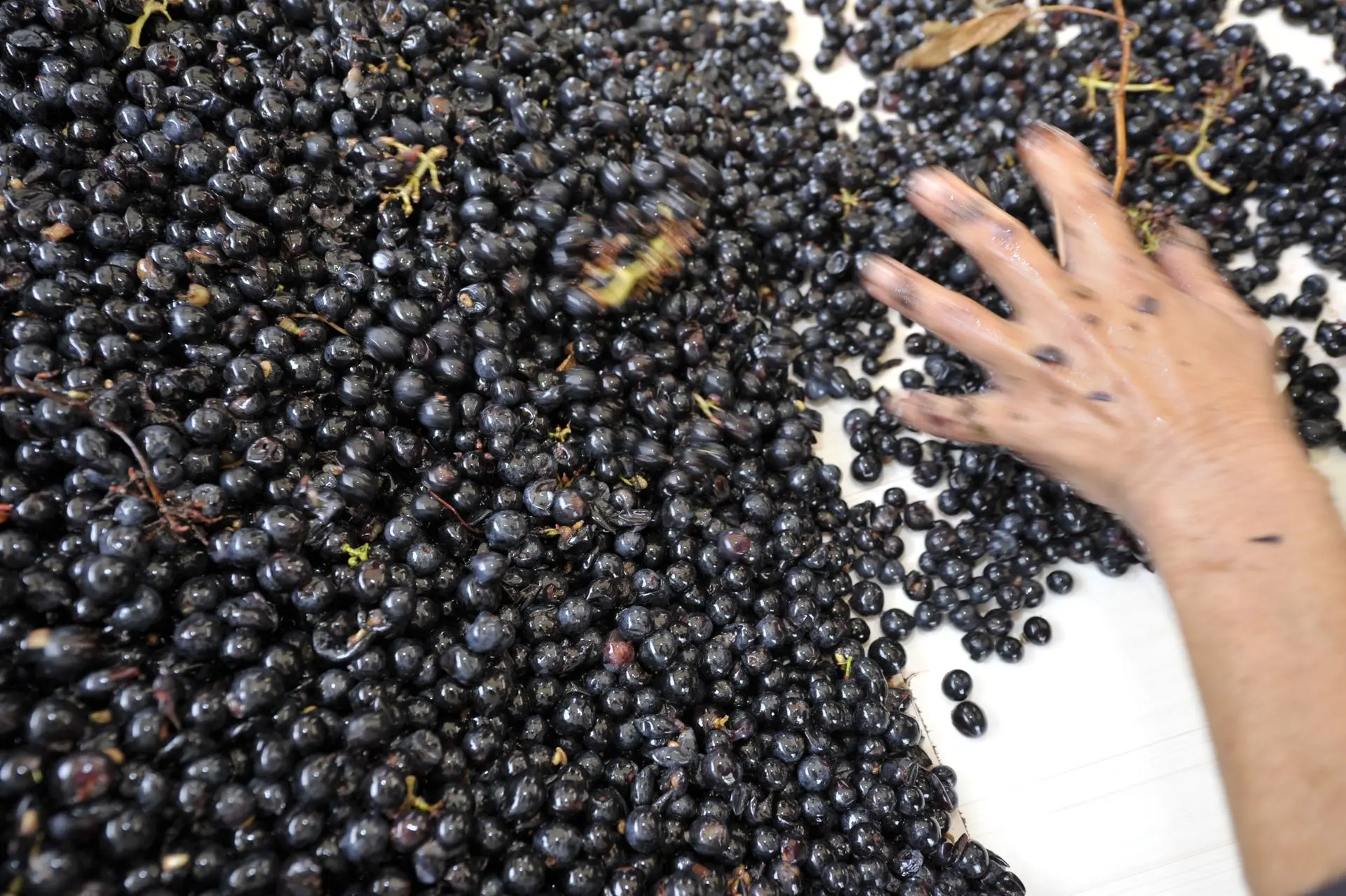
At Haut Breton Larigaudière, alcoholic fermentation takes place at relatively low temperatures (28 to 30°C, depending on the grape harvest) in order to release the wine’s intrinsic aromas. Maceration lasts between fifteen and thirty days. The length of time during which the grape pulp remains in contact with the skins is determined individually for each tank after repeated tastings. The frequency with which the wine is pumped over depends on the vintage. If extraction does not proceed as desired, the cap of grape skins is pressed. This is also assessed individually for each tank.
Age of the Barrels
At the end of fermentation, the different batches are still kept separate according to the plot, grape variety and age of the vines.
The structure of the wine in each tank determines the age of the wooden barrels in which the wine will be placed. We naturally use barrels from different cooperages, made from different types of oak and with varying degrees of toasting. Thanks to regular barrel tastings, we are very familiar with the individual character of the wine in each wooden barrel and therefore know how to create the best possible blend. This blend is more than the sum of its parts, and when producing our wines, our primary objective is customer satisfaction.
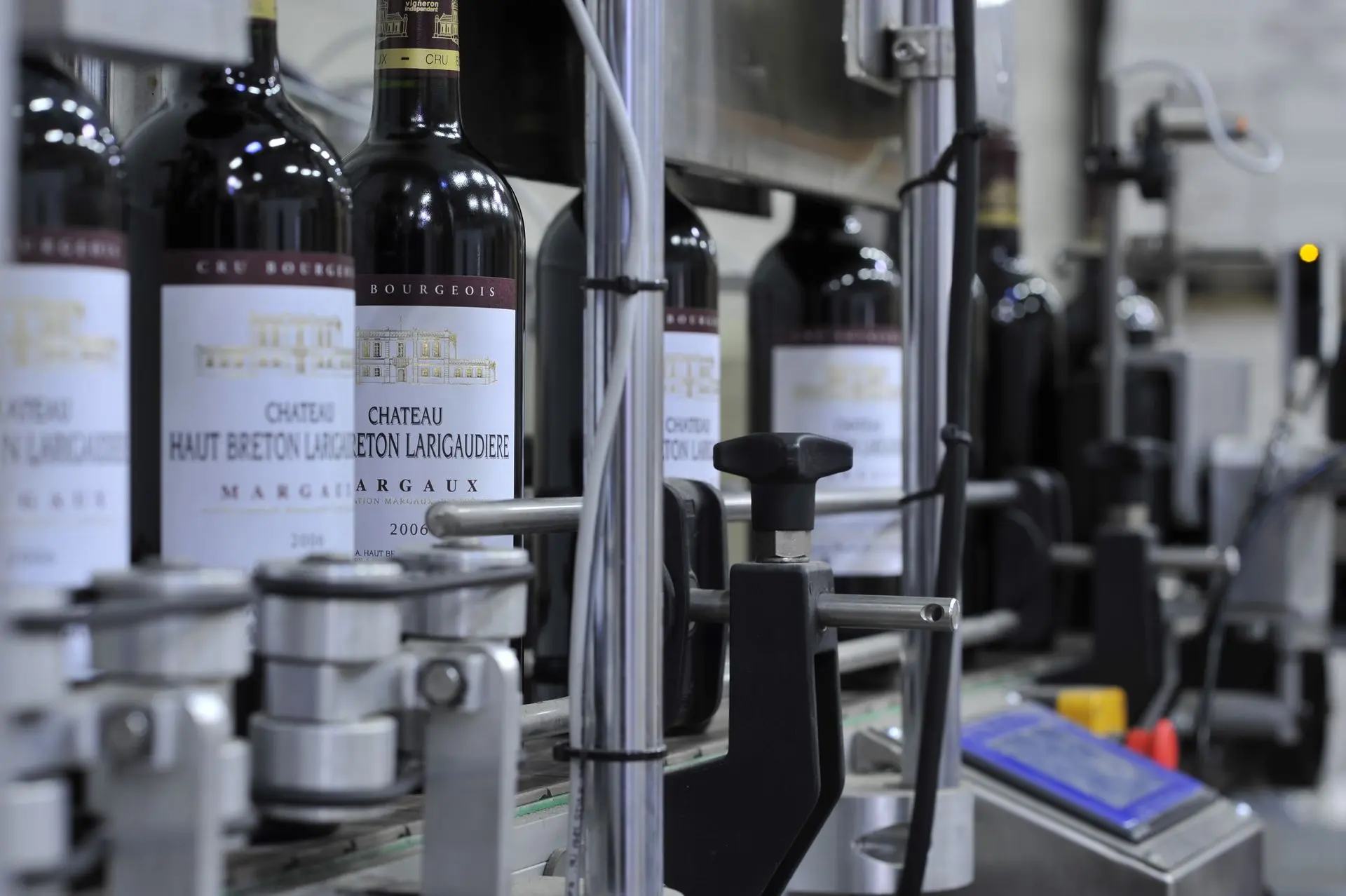
The careful monitoring of the wine’s ageing process, including all the different stages involved, takes between 18 and 24 months. After this period, the wine is ready to be bottled.
Read more on our website of De Mour in Soussans (France).